
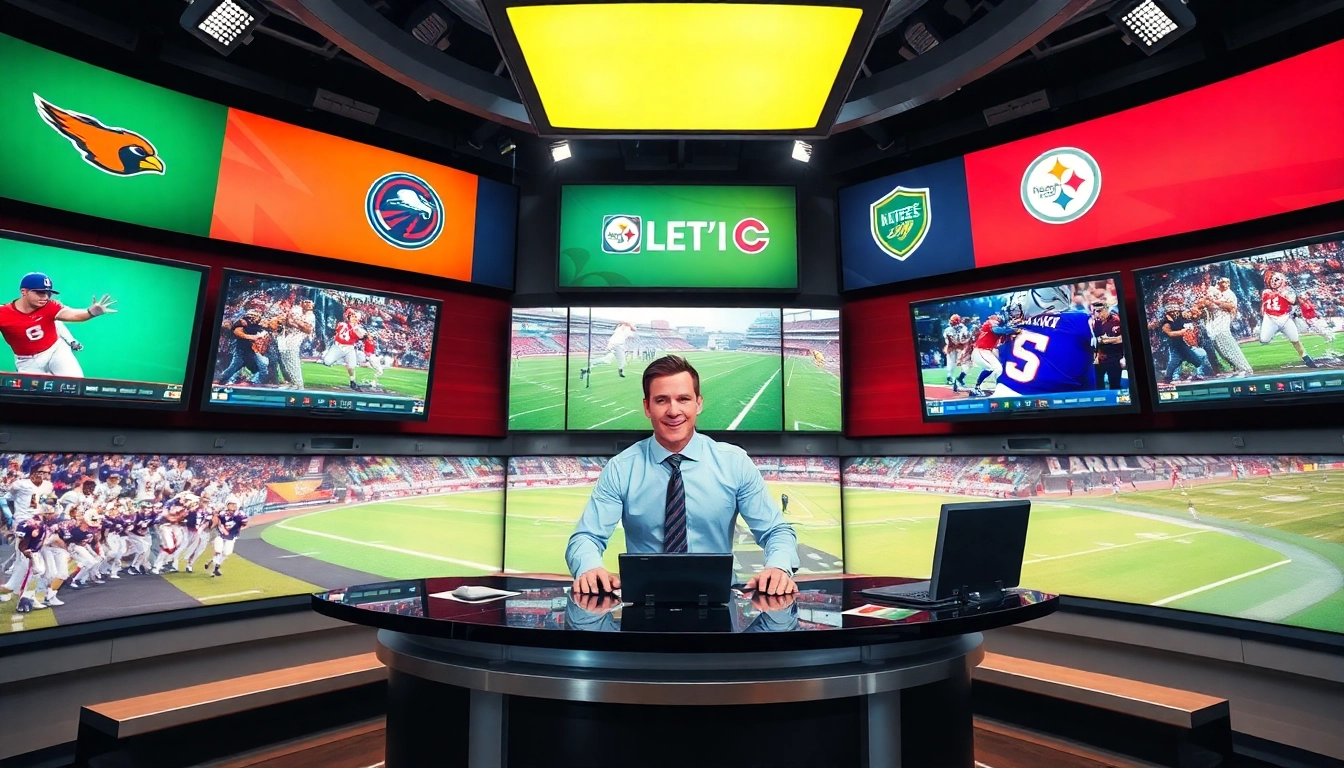
Understanding the Landscape of Sports Broadcasting
The world of Sports Broadcasting is a dynamic and multifaceted industry that allows fans to experience their favorite sports from the comfort of their homes. The field encompasses various formats, styles, and technologies, evolving significantly over the years. In this comprehensive guide, we will delve into the essentials of sports broadcasting, explore the key skills required for aspiring broadcasters, and examine current trends and future opportunities.
What is Sports Broadcasting?
Sports broadcasting refers to the transmission of live or recorded sports events through various media channels such as television, radio, and online platforms. It encompasses play-by-play commentary, analysis, interviews, and feature stories that enrich the viewing experience. In essence, sports broadcasting serves as a bridge between the event and its audience, providing context, excitement, and a deeper understanding of the game.
Types of Sports Broadcasting Formats
Understanding different broadcasting formats is essential for anyone looking to enter the field. The primary formats include:
- Television Broadcast: This traditional format, often featuring multiple camera angles and expert commentary, remains the most popular way to watch sports.
- Radio Broadcast: Although less visual, radio broadcasting offers a unique way to connect with sports fans through vivid play-by-play commentary and in-depth discussions, great for commuting audiences.
- Online Streaming: The rise of digital platforms has transformed sports broadcasting, allowing fans to watch live events, replays, and personalized content on demand.
- Social Media Broadcasting: Platforms like Facebook, Twitter, and Instagram have become integral to sports broadcasting, providing real-time updates, highlights, and fan engagement.
The Evolution of Sports Broadcasting
Historically, sports broadcasting began in the early 20th century with radio broadcasts of major events. The introduction of television revolutionized the industry, making sports more accessible. With advances in technology, sports broadcasting has continually evolved; high-definition broadcasts, instant replays, and virtual reality are just a few examples of how far the field has come. Today, the emergence of streaming services and online platforms is reshaping how fans interact with their favorite sports.
Key Skills for Aspiring Sports Broadcasters
Success in sports broadcasting requires a blend of communication, technical expertise, and adaptability. Here are essential skills for aspiring professionals:
Communication Excellence in Sports Broadcasting
Effective communication is crucial for any broadcaster. This includes not only clear articulation and an engaging voice but also the ability to convey excitement and emotion. Broadcasters must also be adept at interviews, ensuring they can elicit insightful responses from athletes and coaches.
Technical Skills and Equipment Knowledge
Understanding the technology used in broadcasting is vital. Aspiring broadcasters should familiarize themselves with cameras, microphones, soundboards, and editing software. Knowledge of live streaming tools and digital platforms assists in presenting high-quality content effectively.
Crisis Management and On-the-Spot Reporting
In sports, unexpected events can and do happen. Broadcasters must react quickly and calmly during crises, ensuring that viewers remain informed and engaged. This skill involves thinking on your feet and delivering pertinent updates in real time, which can be crucial during live events.
Strategies for Effective Sports Broadcasts
Selecting the right strategies can make a significant difference in the quality of sports broadcasts. Here are key approaches to consider:
Engaging Storytelling Techniques
Storytelling is a powerful tool in sports broadcasting. Broadcasters should weave narratives around athletes, teams, and events to captivate the audience. This includes sharing personal stories, historical context, and compelling statistics that add depth to the broadcast.
Understanding Your Audience
To connect effectively with viewers, broadcasters must understand their audience’s interests and preferences. Tailoring content to meet the needs of various demographics, such as age groups, cultural backgrounds, and sports fandom, will enhance engagement.
Using Technology for Enhanced Broadcasting
Leveraging technology can elevate the quality of sports broadcasts. This includes using analytics for in-depth analysis, integrating augmented reality graphics to visualize plays, and employing social media for real-time viewer interaction.
Measuring Success in Sports Broadcasting
Establishing and evaluating success metrics is critical for broadcasters. Understanding how to measure effectiveness can inform strategies and improvements.
Key Performance Indicators for Broadcasts
Key performance indicators (KPIs) such as viewership ratings, audience retention rates, and overall reach are fundamental metrics for assessing a broadcast’s success. Analyzing these figures can guide decisions for future programming.
Audience Engagement Metrics
Engagement metrics like social media shares, comments, and viewer interaction rates provide insights into how well the audience is responding. These metrics offer valuable feedback that helps broadcasters tailor content to viewer preferences.
Adapting to Feedback and Viewer Demands
Listening to audience feedback and adapting to evolving viewer demands is essential for sustained success. Broadcasters can use surveys, social media interactions, and performance analytics to refine their offerings continually.
Future Trends in Sports Broadcasting
The landscape of sports broadcasting is continually changing. Recognizing future trends can position broadcasters for success in a competitive environment.
The Impact of Streaming Services
The dominance of streaming services has altered how sports are consumed, offering flexibility and choice. Broadcasters will need to embrace this model, considering partnerships or new content strategies tailored for on-demand viewing.
Technological Innovations Shaping the Industry
Emerging technologies such as artificial intelligence, augmented reality, and enhanced data analytics are creating new opportunities for storytelling and fan engagement. Broadcasters must explore these tools to stay relevant and competitive.
Emerging Career Opportunities in Sports Broadcasting
As the industry evolves, new career paths are opening up. Roles in social media management, content creation, and audience analytics are becoming increasingly important, requiring fresh skills and knowledge.
Frequently Asked Questions
What qualifications do I need for sports broadcasting?
While formal education in journalism or communications is beneficial, relevant experience, including internships and practical skills in video/audio production, are critical for a successful career.
How has technology impacted sports broadcasting?
Technology has significantly enhanced live streaming quality, introduced interactive fan engagement, and enabled real-time data analytics, making broadcasts more informative and engaging.
What are common challenges faced in sports broadcasting?
Key challenges include covering unexpected events, maintaining audience engagement, and navigating tight deadlines during live broadcasts, which require quick thinking and adaptability.
How can I improve my sports commentary?
Improving sports commentary can involve practicing speaking skills, studying game tactics, and learning from experienced mentors. Listening to critiques and continuously refining your style is also crucial.
What is the future of sports broadcasting?
The future will likely see increased integration of streaming platforms, enhanced viewer interaction through technology, and broader opportunities for diverse voices in the industry.